Democrat Senator Chris Murphy (D-CT) and other lawmakers reportedly urged Ukrainian President Volodymyr Zelensky to reject the possibility of a peace deal without so-called “security guarantees” shortly before a tense meeting with President Donald Trump in the Oval Office.
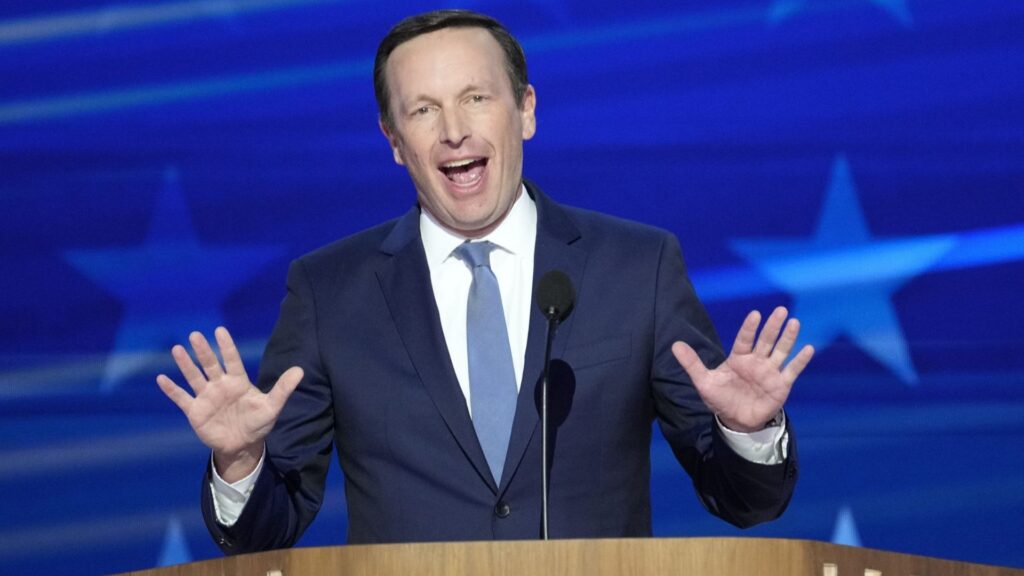
Zelensky’s visit to Washington was expected to focus on discussions regarding continued U.S. support for Ukraine in its ongoing war with Russia.
However, the meeting took a contentious turn when the Ukrainian president publicly dismissed the idea of a ceasefire.
Here's What They're Not Telling You About Your Retirement
MORE NEWS: Report: Tragic Twist in Nancy Guthrie Case as Ransom Note Claims Her Death Was ‘Accidental’ [WATCH]
The shift in tone raised questions about what influenced Zelensky’s approach ahead of the meeting.
According to a social media post by Murphy, the senator met with Zelensky and other lawmakers less than an hour before the White House meeting.
In that gathering, Murphy and possibly others encouraged Zelensky to reject what they called a “fake peace agreement.”
This statement appeared to be a direct rebuke of Trump’s diplomatic efforts, reinforcing Zelensky’s defiant stance.
Just finished a meeting with President Zelensky here in Washington. He confirmed that the Ukrainian people will not support a fake peace agreement where Putin gets everything he wants and there are no security arrangements for Ukraine. pic.twitter.com/eaCePJ4UZr
— Chris Murphy 🟧 (@ChrisMurphyCT) February 28, 2025
FREE Gun Law Map: Laws Don't Pause During Social Unrest
The Oval Office meeting, which lasted approximately 40 minutes, became heated when Zelensky questioned JD Vance in front of the press.
The confrontation occurred after Vice President Vance mentioned pursuing diplomatic solutions to the war.
Zelensky rejected the notion outright, stating that a ceasefire was not an option, a response that the Trump administration viewed as an unnecessary provocation.
Following the meeting, Zelensky took to social media, doubling down on his opposition to peace talks and further straining relations between Ukraine and the new administration.
MORE NEWS: Joy Reid Sneers at Independence Day, Calls July 4th a Celebration of Slaveholders [WATCH]
His actions raised concerns about whether outside influences, including congressional Democrats, were pushing him toward a hardened position instead of working toward potential negotiations.
Trump’s stance on Ukraine has been clear—he supports discussions that could lead to a resolution of the conflict but has not committed to the type of long-term military guarantees that some U.S. lawmakers have sought.
His administration has emphasized that any potential agreement would still allow Ukraine to make its own decisions on ceasefire terms.
Despite this, Zelensky’s approach to the meeting suggested an expectation that the White House would continue policies of the previous administration.
However, with Republicans now in control of both the Senate and the House, Murphy and other Democrats do not hold the power to dictate U.S. foreign policy or provide military aid.
Murphy’s involvement raises questions about the motivations behind his meeting with Zelensky.
While Democrats have strongly supported continued military assistance to Ukraine, they are currently in no position to make binding commitments.
Encouraging Zelensky to reject diplomacy just before a meeting with Trump may have contributed to the diplomatic fallout that followed.
Trump has signaled that he is open to assisting Ukraine, but not in the form of indefinite military engagements or troop deployments.
If Zelensky hopes to maintain U.S. support, he may need to adjust his strategy and recognize the changing political landscape in Washington.
The path to securing American aid is still open, but it may require a different approach than what was encouraged by congressional Democrats.
Join the Discussion
COMMENTS POLICY: We have no tolerance for messages of violence, racism, vulgarity, obscenity or other such discourteous behavior. Thank you for contributing to a respectful and useful online dialogue.
So all of those people at the pre Trump-Vance Oval Office meeting, photo’d with zelensky, are Logan Act violators. Time for arrests