Bill Maher joined National Public Radio’s Steve Inskeep for what began as a straightforward conversation but ended with the HBO host directly challenging the network’s direction, as reported [1] by Townhall.
Near the end of the interview, Maher openly criticized NPR, saying he was surprised to be invited on.
He described the network as unrecognizable from what he once knew and accused it of leaning too far left.
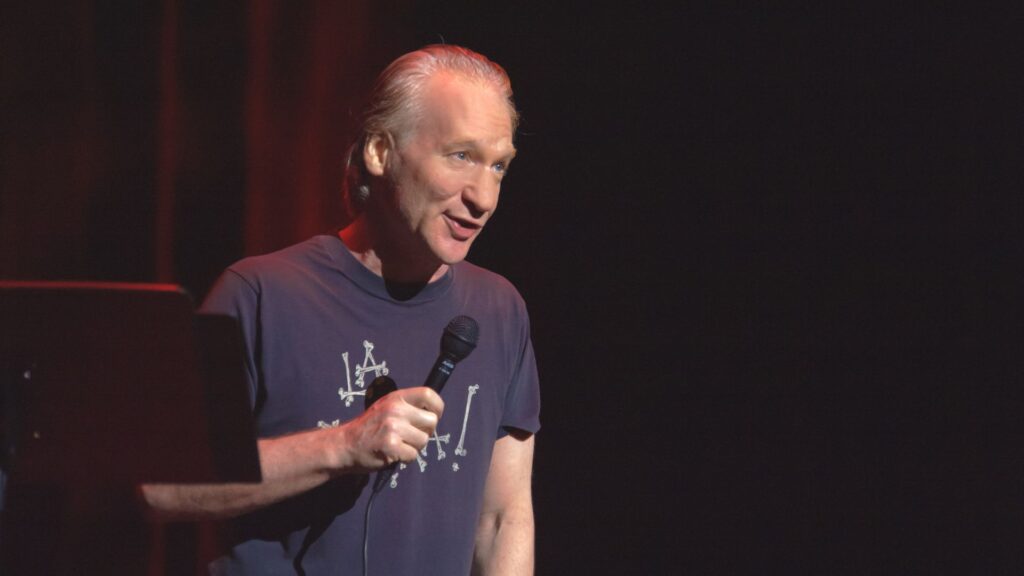
Inskeep pushed back, defending NPR and claiming its audience was more politically diverse than Maher had been led to believe.
Maher countered that the people an organization talks to are not always representative of what it believes.
The moment echoed a sentiment journalist Matt Taibbi expressed in 2021 about NPR. Taibbi wrote that even progressives had grown weary of the outlet, describing it as an experience that drove “the most patient and sensible people” to frustration.
Despite the tension, the exchange between Maher and Inskeep did not devolve into outright hostility.
Maher used the opportunity to critique what he sees as hypocrisy on the Left, especially around their handling of President Donald Trump.
He took aim at liberal figures who criticized Trump while refusing simple gestures such as having dinner with him.
Maher said their refusal made no sense, arguing that the move was driven purely by emotion rather than logic.
“You’re elevating him—he’s already the president of the United States and has won two elections,” Maher said, emphasizing that Trump already held enormous influence and that pretending otherwise was self-defeating.
Maher also explained that his own criticism of Trump had once been so sharp that the president literally compiled a list of Maher’s insults.
The comic saw this as both absurd and revealing of Trump’s mindset.
At the same time, Maher said his own political stance had not changed. He described himself as a classical liberal, someone who values free speech and does not subscribe to political correctness.
He argued that his willingness to talk to anyone, even those he disagreed with, was what his audience respected most.
For him, conversation and debate were far preferable to what he saw as the Left’s growing fear of being proven wrong.
Maher dismissed what he called “the crazy socialist Islamists” gaining influence within his party, insisting that he would continue to criticize both sides as he always had.
His bluntness, he suggested, was the reason he remained relevant and trusted after more than three decades in comedy and political commentary.
Recently recognized with the Mark Twain Prize for comedy, Maher said he would continue to thank his peers and then return to doing what he always does—taking sharp aim at hypocrisy, whether from Trump or his fellow liberals.
He also dismissed extreme comparisons of Trump to dictators, saying such rhetoric was tiresome and unhelpful.
Instead, Maher described Trump as someone who says unpredictable things but remains authentic to himself.
Maher’s conversation with Inskeep ultimately became a snapshot of a larger cultural divide: one between media institutions and critics who believe those institutions have lost touch with balance and reason.
The talk may not have changed minds, but it underscored why Maher remains a polarizing figure—mocked by some, respected by others, and determined to confront ideological conformity wherever he sees it.