- RVM News - https://www.rvmnews.com -

U.S. Unleashes Wave of Airstrikes in Somalia After Month-long Lull

After a rare break in operations, the United States has roared back into action in Somalia, unleashing a series of airstrikes that once again remind al-Shabab and its terror affiliates that American military power doesn’t take permanent vacations.

Between June 14 and June 19, U.S. forces executed four separate strikes aimed squarely at the al-Qaeda-linked al-Shabab network in southern Somalia.

These actions mark the first time since early May that U.S. airpower has engaged targets in the region — a clear signal that the war effort against Islamist extremism remains alive, well, and ready to escalate when necessary.

Each of the statements released by U.S. Africa Command (AFRICOM) sounded a familiar note: cooperation with the Federal Government of Somalia and its Armed Forces, all in the name of degrading al-Shabab’s ability to attack U.S. interests and allies.

And as is standard practice with these kinds of direct operations, AFRICOM kept classified any mention of which assets or units carried them out. That’s operational security 101.

What little is known points to strikes in the southern reaches of the country, specifically around the lower Juba region and the city of Kismayo — familiar haunts for al-Shabab’s entrenched networks of fighters and supply routes.

Somali media sources have reported that these targets included militant bases and supply depots, with some even mentioning coordinated ground operations backed by American airpower. One report from Hiraan said that 14 militants were killed, though that figure was attributed to the elite, U.S.-trained Somali Danab special operations unit.

The last month’s pause in air operations was a notable deviation. Over the past year, airstrikes have become a steady drumbeat in the background of Somalia’s fight against jihadist forces.
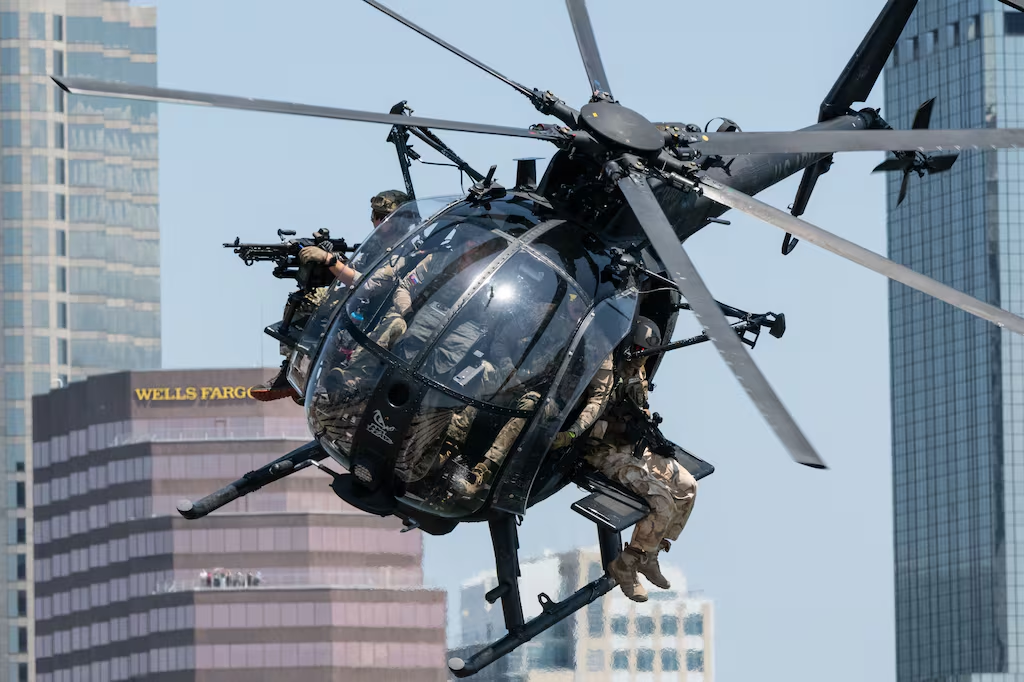
Special Operations Helicopters Undergo Major Upgrades as Forces Look to the Future
Image Credit: DoW

The U.S. typically carries out several operations each month. The reasons for the brief slowdown aren’t clear, but given the fresh tempo of strikes, it appears the War Department is ready to reset the pace.

AFRICOM’s numbers reveal the broader trend: before these latest strikes, 63 had already been conducted in Somalia this year.

With four added in quick succession, the total has blasted past the half-year mark, now roughly matching the tempo reestablished after President Trump’s administration revitalized America’s offensive posture that had lagged under Biden’s watch.

For comparison, during the Trump years, U.S. operations in Somalia were methodical, direct, and unflinching.

In 2025, for example, 126 air operations took place — a level of intensity that had dropped to just 11 the previous year when Biden’s “strategic restraint” meant sitting back while terror groups regrouped. Now, under renewed command, the gloves are coming off once again.
Special Operations Helicopters Undergo Major Upgrades as Forces Look to the Future
Image Credit: DoW
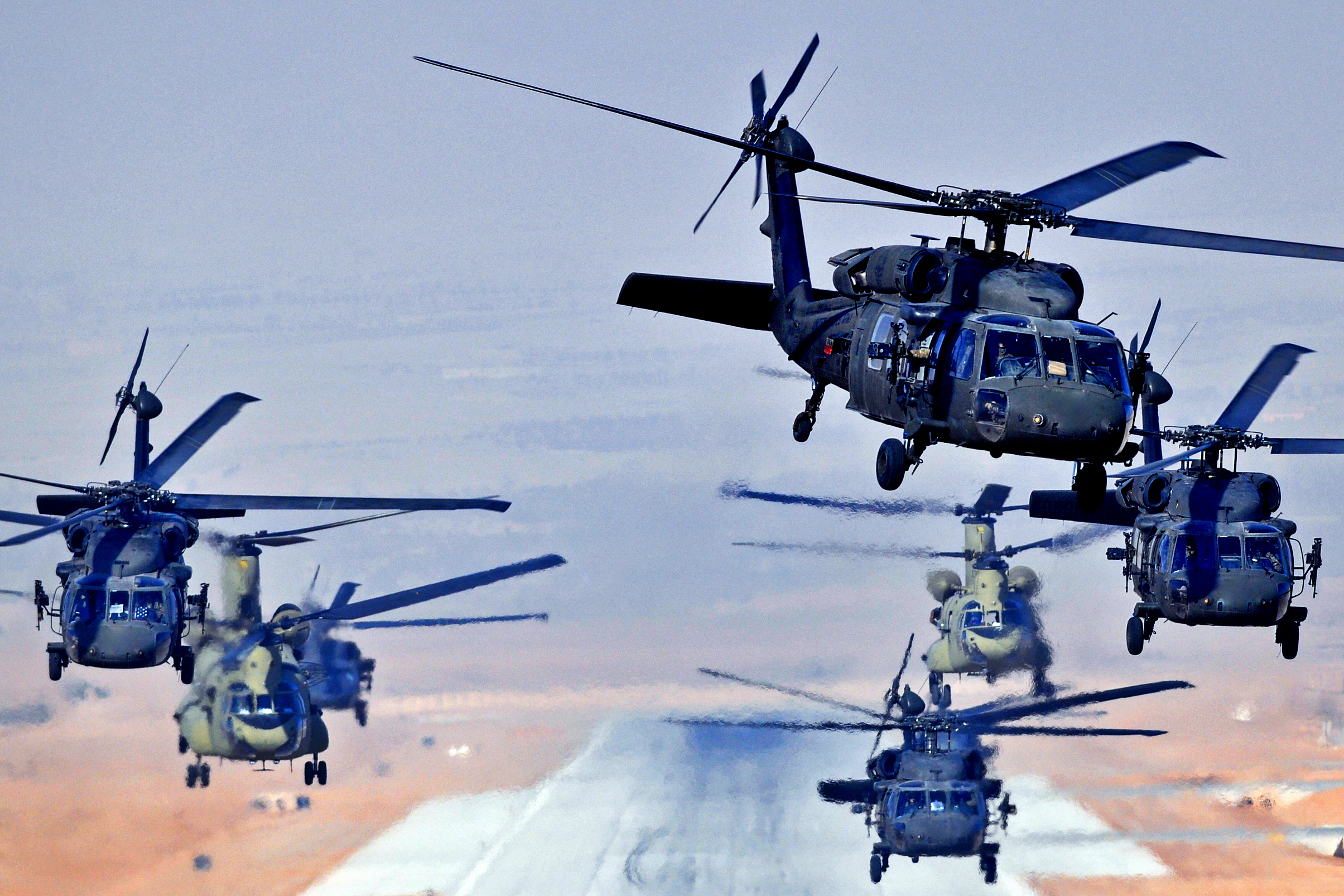
Six UH-60L Black Hawks and two CH-47F Chinooks, assigned to Task Force Brawler, 4th Battalion, 3rd Aviation Regiment, Task Force Falcon, simultaneously launch a daytime mission Jan. 18 from Multinational Base Tarin Kowt.

Washington’s air campaign isn’t the only lever being pulled. The Pentagon’s warfighting infrastructure across East Africa is being modernized as well. Earlier this year, the U.S. launched a significant upgrade of the Manda Bay Air Base in Kenya — a strategically critical hub for American operations against al-Shabab and ISIS affiliates.

That airfield, attacked by Shabab in a deadly 2020 raid, has since been fortified and expanded to handle a much heavier operational tempo.

Meanwhile, inside Somalia, AFRICOM isn’t just relying on firepower. It’s investing in long-term intelligence and engagement capabilities.

According to reports, the Joint Special Operations Task Force – Somalia is recruiting cultural and political advisers to improve ground-level coordination with Somali officials and tribal leaders.

These advisers will help ensure that America’s campaign doesn’t just target terrorists but also strengthens societal bonds that prevent future extremism.

That’s the kind of layered strategy that can actually win over the terrain — militarily, politically, and mentally.

After all, even advanced weapons systems require local insights to achieve precision in complex operations.

U.S. Army Issues Terror Threat Warning to Special Operations Veterans Living in Florida
Image Credit: DoW
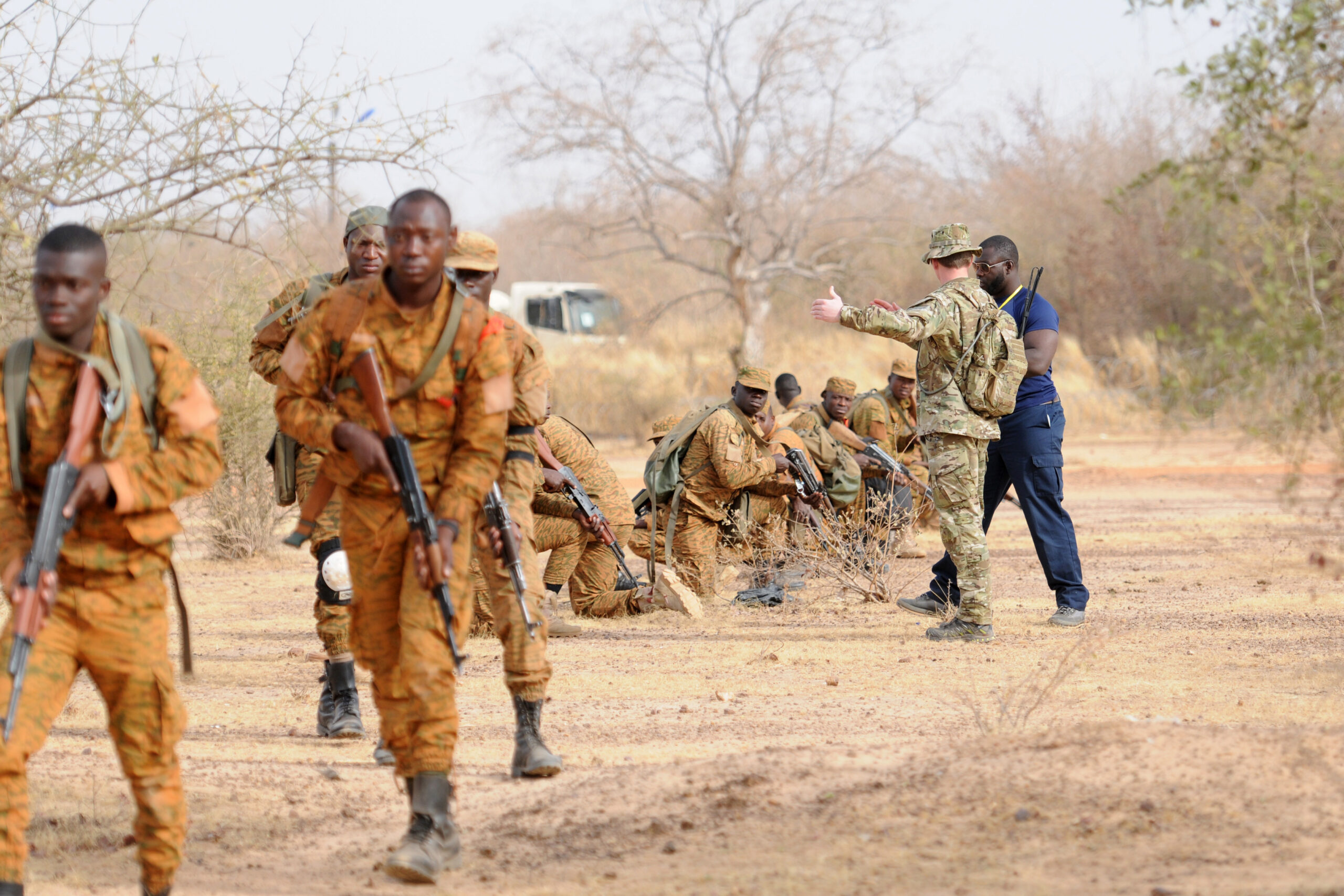
A Special Forces Soldier provides instructions to a translator for training on small unit tactics to Burkina Faso Soldiers, February 28, 2017 at Camp Zagre, Burkina Faso. Flintlock 2017 is designed to build the capacity of key partners to provide better security for the civilian population. (Photo by Spc Britany Slessman 3rd Special Forces Group (Airborne) Multimedia Illustrator/released)

Despite limited official details, the pattern is unmistakable. After a monthlong pause, the U.S. is recalibrating and reasserting its dominance across East Africa.

The timing likely ties to intelligence developments or opportunities presented by shifting enemy movements. Either way, al-Shabab and ISIS franchises operating in the Horn of Africa have once again been reminded that American might doesn’t fade away — it reloads.

These latest strikes may be just the opening salvo of an intensified counterterrorism push designed to cripple al-Shabab’s logistical backbone.

The warfighting posture seems to be moving from defensive stability to proactive offensive pursuit, a clear sign that the Trump-Hegseth vision of restoring American military strength is taking deeper hold.

It’s also an unmistakable message to adversaries everywhere — America’s War Department isn’t in the business of appeasement.

Whether in Somalia, Nigeria, or beyond, U.S. warfighters will continue to strike fast, strike hard, and remind hostile actors that peace comes only after victory, not negotiation.