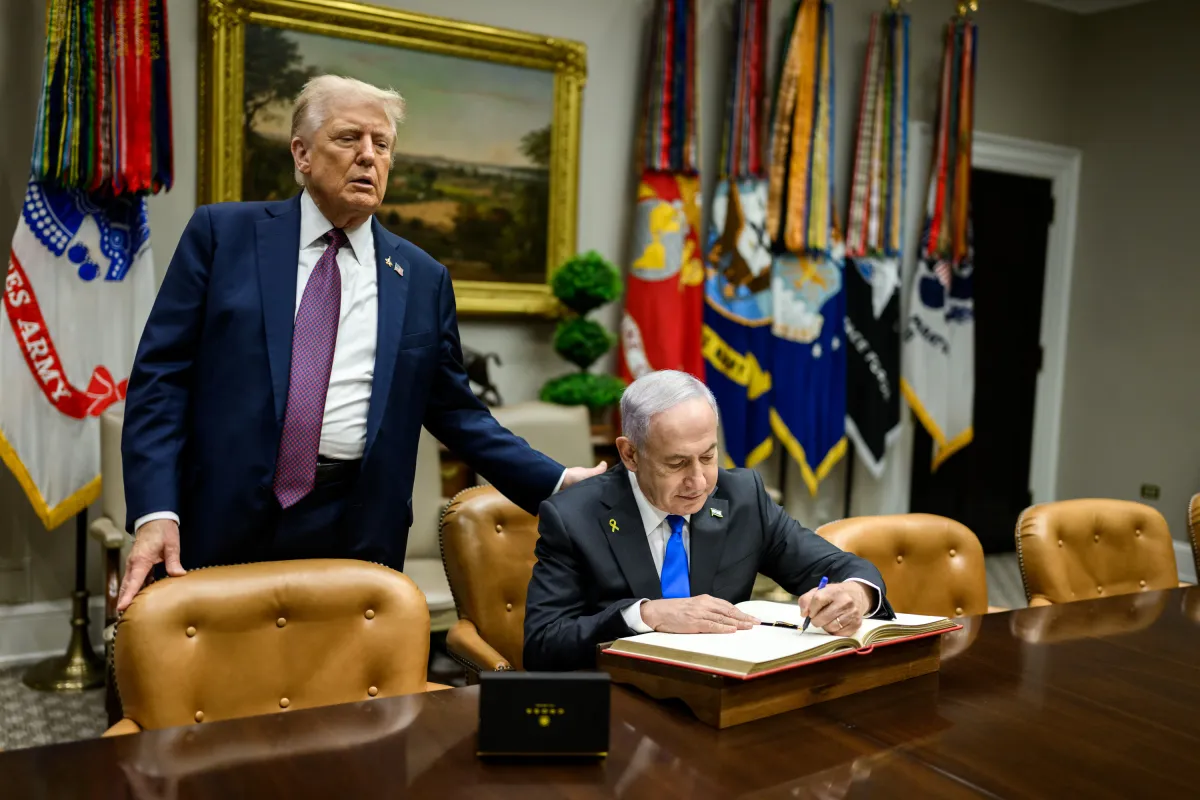
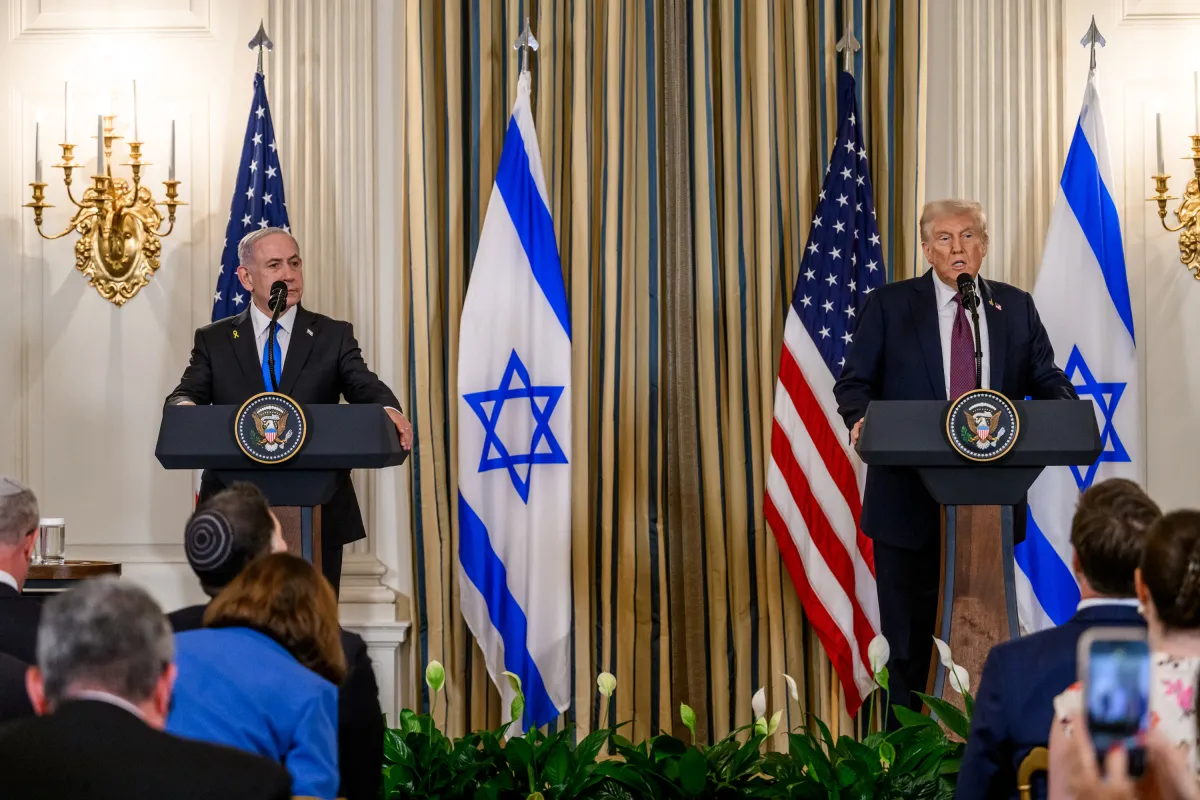
A new push in Congress to deepen cooperation between the United States and Israel on weapons and defense technology is causing plenty of sparks on Capitol Hill, even among Republicans.
The dispute centers on a measure buried in the House version of the fiscal 2027 National Defense Authorization Act, which would tie the two nations’ defense research and industrial cooperation even tighter than before.
The United States-Israel Defense Technology Cooperation Initiative proposes to “expand and accelerate bilateral defense technology research, development, testing, evaluation, integration, and industrial cooperation.”
In practice, this means a stronger link between American and Israeli military innovation and manufacturing pipelines — a prospect that some lawmakers call essential to counter threats from Iran and its regional proxies, while others see a potential risk to U.S. sovereignty.
The measure was introduced by Rep. Mike Rogers of Alabama, a Republican and chairman of the House Armed Services Committee, and ranking Democrat Adam Smith of Washington. The two rarely agree on much, but when it comes to tightening defense cooperation with Israel, they’ve found common ground.
The bill instructs the Secretary of War to designate an executive agent to coordinate efforts between the two countries.
That might sound bureaucratic, but in warfighting terms, it’s a big move.
Coordinating cyber operations, missile defense, machine learning systems, and unmanned platforms between two militaries aligns capabilities in a way that builds mutual strength — a move directly aimed at Iranian aggression and the ongoing regional instability that Biden officials have seemed weak to deter.

Congress has a record of bipartisan backing for Israel, only reinforced since Hamas’ bloody October 7, 2023 attack that left Israel—and the world—stunned. Following that attack, Washington authorized $13.4 billion in military aid to Israel.
U.S. firms like RTX continue joint development with Israeli partners such as Rafael Systems on programs like the Iron Dome missile defense system, which has saved untold lives from terrorist rocket fire.
But not everyone on the Hill is cheering the measure. Rep. Thomas Massie of Kentucky, a Republican who recently lost his primary to a Trump-aligned challenger, blasted the effort on social media, citing concerns that it could blur lines of command and infringe on American independence.
He pledged to introduce an amendment to strip the provision from the final House bill if it survives committee.
Massie’s opposition found an unlikely ally in Rep. Ro Khanna, a Democrat from California. Khanna also serves on the Armed Services Committee and echoed Massie’s call to scrap the section entirely.
The two previously teamed up on the Iran War Powers Resolution, another move that signaled discomfort with long-term U.S. involvement in Middle Eastern conflicts.
Supporters of the new initiative call such criticism overblown. Rogers responded Tuesday that the proposal “simply adds transparency and improves efficiency by designating a single official to coordinate existing initiatives.” He added, “In no way does it give away command and control of our military operations, personnel, or equipment.”