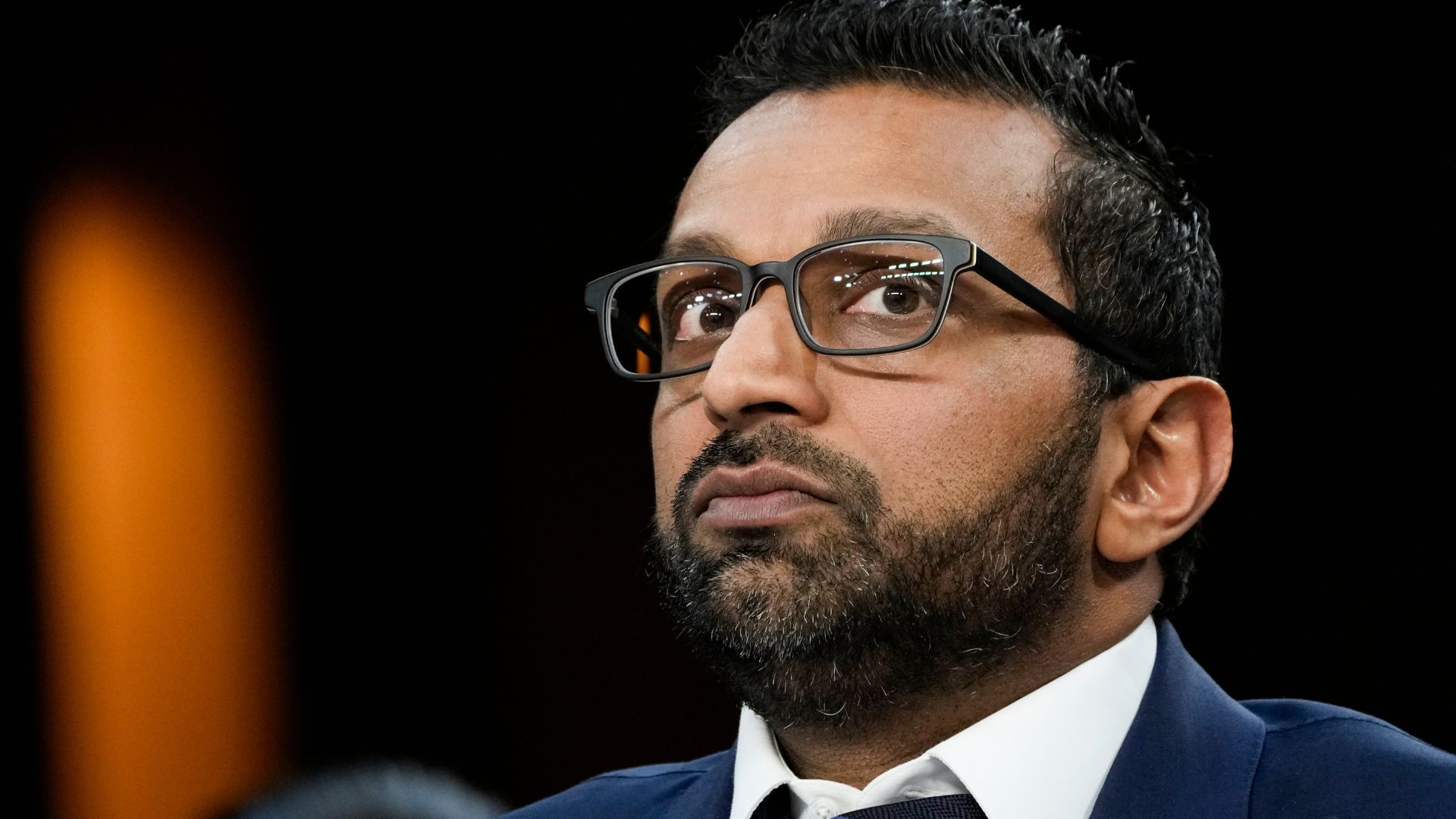
FBI Director Kash Patel is placing a high priority on countering Chinese Communist Party (CCP) influence on American soil, with a specific focus on Chinese ownership of U.S. farmland near sensitive sites.
The effort is part of a broader initiative by the Trump administration in its second term to address foreign threats to national security, including efforts by adversaries to gain influence through U.S. land acquisitions. Patel advisor Erica Knight said in a statement to Fox News Digital:
“FBI Director Kash Patel has made eradicating CCP interference and infiltration in the United States a relentless, uncompromising priority. With his unmatched experience in counterterrorism and intelligence, Patel possesses a profound understanding of the grave threats our nation faces. His expertise and unwavering resolve make him uniquely equipped to lead the bureau to crush CCP infiltration and safeguard America’s national security.”
Patel recently briefed lawmakers on an emerging concern at the northern border, stating that with progress made on securing the southern border, foreign adversaries including China, Russia, and Iran are redirecting their focus to less monitored entry points.
Here's What They're Not Telling You About Your Retirement
MORE NEWS: Tim Walz Grants Pardon to Illegal Immigrant Who Sexually Assaulted 10-Year-Old Girl [WATCH]

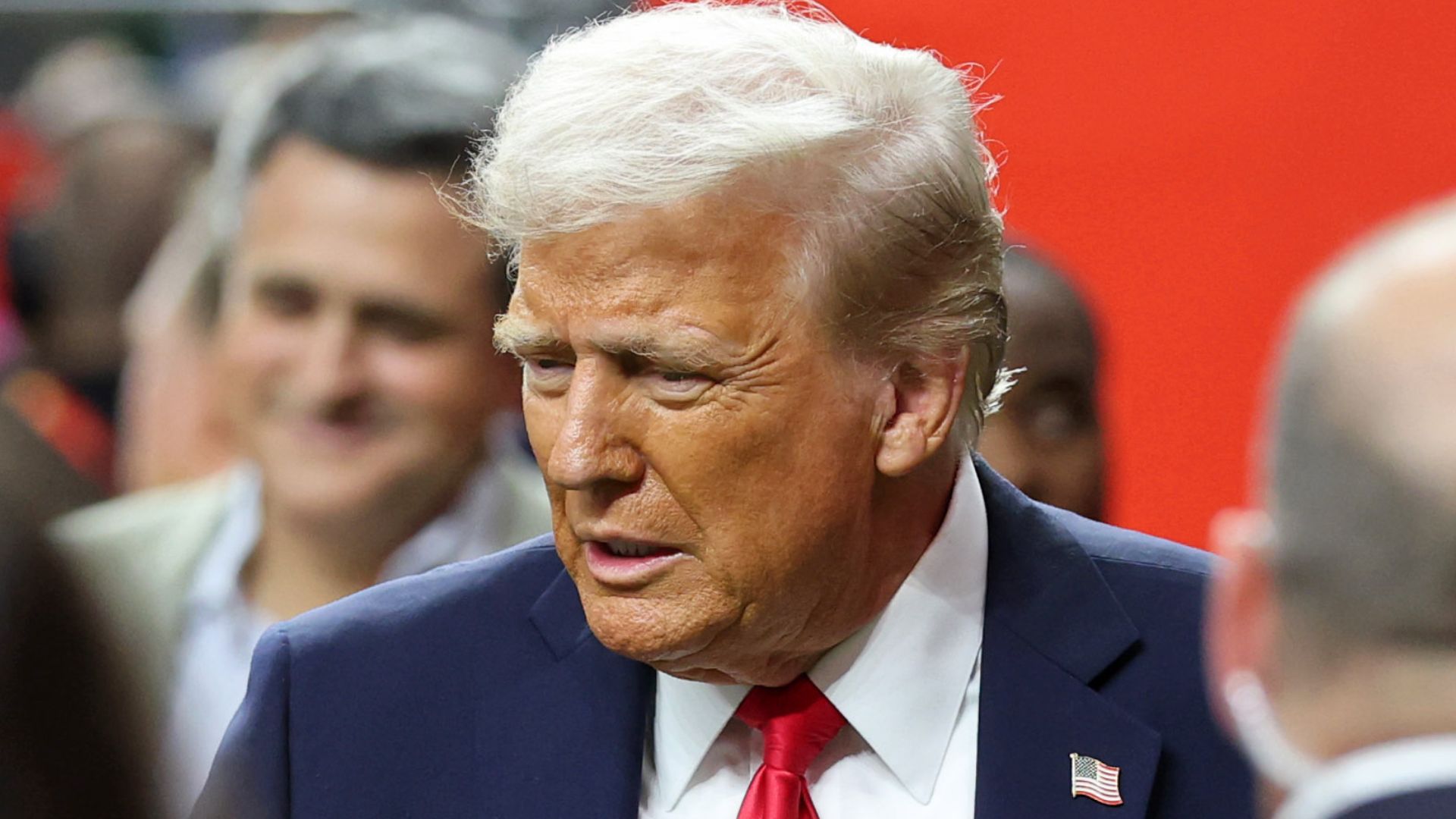
President Donald Trump has also weighed in on the issue. When asked Thursday aboard Air Force One about the administration’s efforts regarding Chinese farmland ownership, Trump acknowledged the ongoing concern.
“We’re looking at it all the time,” Trump said. “I have a very good relationship with China and with the president. I have a lot of respect for President Xi.”
Trump also noted that Chinese ownership of U.S. farmland “has been an issue for years.”
FREE Gun Law Map: Laws Don't Pause During Social Unrest
In a February op-ed published by Fox News, Ric Grenell, Presidential Envoy for Special Missions, raised concerns about the broader implications of China’s presence in the U.S. agricultural sector.
“While conservative legislators and governors across the country are taking action to stop adversarial nations from buying U.S. farmland, we must recognize that there’s a much broader issue at play here — China’s end goal is not confined to land ownership."
On Capitol Hill, lawmakers have already introduced measures to limit foreign land ownership tied to adversarial governments. In early March, Sen. Mike Rounds, R-S.D., introduced the Promoting Agriculture Safeguards and Security (PASS) Act. The bill would ban entities from "covered countries," including China, from purchasing agricultural land near U.S. military bases or critical infrastructure.
The PASS Act also allows the U.S. Department of Agriculture to refer cases to the Committee on Foreign Investment in the United States (CFIUS) if a potential land purchase raises national security concerns. The legislation has drawn bipartisan support.
In addition, Republican Senators Tom Cotton of Arkansas, Kevin Cramer of North Dakota, and Katie Britt of Alabama introduced the Not One More Inch or Acre Act in January. That bill would mandate the sale of land already owned or influenced by the CCP if it is determined to pose a national security risk.
The legislative efforts, combined with the FBI’s increased scrutiny and the Trump administration’s broader policy focus, reflect a coordinated response to what officials describe as an evolving threat landscape. The administration’s strategy seeks to close longstanding loopholes that have allowed foreign entities to acquire U.S. land near sensitive government and military locations, often without thorough national security review.
Further hearings on the issue are expected later this year as Congress weighs additional protections and oversight mechanisms.
Join the Discussion
COMMENTS POLICY: We have no tolerance for messages of violence, racism, vulgarity, obscenity or other such discourteous behavior. Thank you for contributing to a respectful and useful online dialogue.