Following President-elect Donald Trump’s decisive victory, the British newspaper The Guardian announced on Wednesday that it will no longer participate on X, the social media platform formerly known as Twitter, citing concerns over the platform's “toxic” atmosphere.
The Guardian announces they're leaving Twitter (X)
“This is something we have been considering for a while given the often disturbing content promoted or found on the platform, including far-right conspiracy theories and racism" pic.twitter.com/7fRJSqBWCU — Culture Crave 🍿 (@CultureCrave) November 13, 2024
The Guardian attributed its decision to perceived bias and alleged misuse of X by its owner, Elon Musk, to influence political discourse.
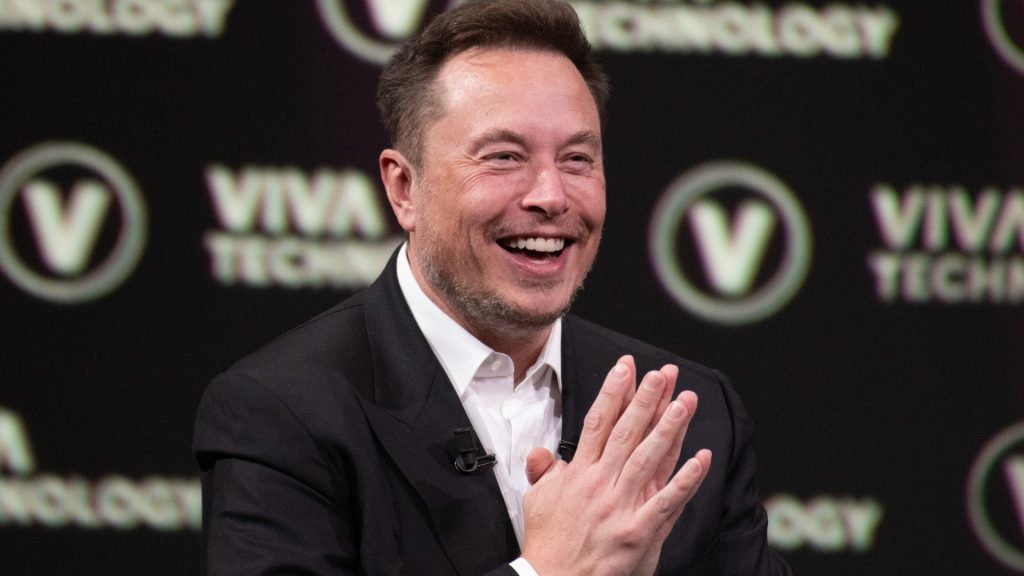
In a statement addressing readers, The Guardian explained its rationale, stating that “the benefits of being on X are now outweighed by the negatives and that resources could be better used promoting our journalism elsewhere.”
Here's What They're Not Telling You About Your Retirement
The newspaper cited Musk’s influence on the platform as a primary factor, asserting that Trump’s recent win highlighted what it described as troubling content, including “far-right conspiracy theories and racism.”
The newspaper added that the “US presidential election campaign served only to underline what we have considered for a long time: that X is a toxic media platform and that its owner, Elon Musk, has been able to use its influence to shape political discourse.”
The Guardian further explained that it would now prioritize engaging with audiences on its website and other channels rather than on social media platforms like X. “Social media can be an important tool for news organisations and help us to reach new audiences but, at this point, X now plays a diminished role in promoting our work,” the outlet stated, urging readers to support its journalism directly through its website.
They are a dying publication
— Elon Musk (@elonmusk) November 13, 2024
FREE Gun Law Map: Laws Don't Pause During Social Unrest
The Guardian’s exit aligns with past conflicts between Musk and various mainstream media outlets.
In 2023, Musk labeled the accounts of NPR and the BBC as “state-sponsored media,” a designation traditionally applied to outlets associated with authoritarian governments. NPR subsequently withdrew from X in protest.
Musk, a vocal Trump supporter, has faced scrutiny from some media groups for allegedly allowing conservative voices to thrive on X, which has long been a point of contention among left-leaning outlets.
Allegations of conservative favoritism on X come after years of criticism from conservative circles about perceived liberal media bias.
MORE NEWS: Dem Rep Warns Black Voters Will Quit Elections Without Massive Reparations Payouts [WATCH]
This included controversies surrounding coverage during the early days of the COVID-19 pandemic when major outlets like NPR dismissed the possibility of a lab-origin theory for the virus without substantial supporting evidence.
Recently, U.S. officials have stated that a lab leak is a credible origin theory for COVID-19.
The Guardian posts on X to inform people that they will no longer post on X due to “far-right conspiracy theories and racism” 🥴https://t.co/VjeUzmOrMG
— Not the Bee (@Not_the_Bee) November 13, 2024
Amid The Guardian’s departure from X, Musk’s role in the upcoming Trump administration is also drawing attention.
Musk has been tapped to co-lead the newly proposed U.S. Department of Government Efficiency, an initiative aimed at reducing federal bureaucracy.
Musk’s support for Trump has earned him a key role in helping to streamline government operations, an area in which he has expressed interest as a businessman.
While Musk has not publicly responded to The Guardian’s decision to leave X, his response to previous criticisms of the platform suggests he is likely unperturbed.
Following NPR’s exit, Musk had remarked “seems accurate” when NPR was labeled as “state-sponsored,” and he highlighted the label’s applicability by defining it in the context of NPR’s public funding.
In its final note to readers on X, The Guardian encouraged readers to follow its work directly through its website, emphasizing that it relies on reader support rather than the reach of social media algorithms. “Thankfully, we can do this because our business model does not rely on viral content tailored to the whims of the social media giants’ algorithms – instead we’re funded directly by our readers. You can support the Guardian today from just £1/$1.”
This latest exit highlights the evolving relationship between media and social platforms, especially as partisan divides grow in public discourse.
The Guardian now joins other outlets that have chosen to reduce their presence on platforms they consider counterproductive, as media outlets and public figures on both sides continue to adapt to the shifting landscape of social media and its impact on news dissemination.
Join the Discussion
COMMENTS POLICY: We have no tolerance for messages of violence, racism, vulgarity, obscenity or other such discourteous behavior. Thank you for contributing to a respectful and useful online dialogue.
[“disturbing content promoted or found on the platform, including far-right conspiracy theories and racism”] i.e. “Like the rest of the mainstream media we believe we’re the champions of fairness because we blindly support those whose MO is consistently rigging elections”